In brief
- You must have been physically present in Canada for at least 1,095 days in the five years before applying.
- Days spent in Canada before permanent residence count as a half day, up to 365 days.
- From ages 18 to 54, you must show CLB 4 in English or French and pass the knowledge test.
- Fees as of November 2026: $653 per adult and $100 per minor child.
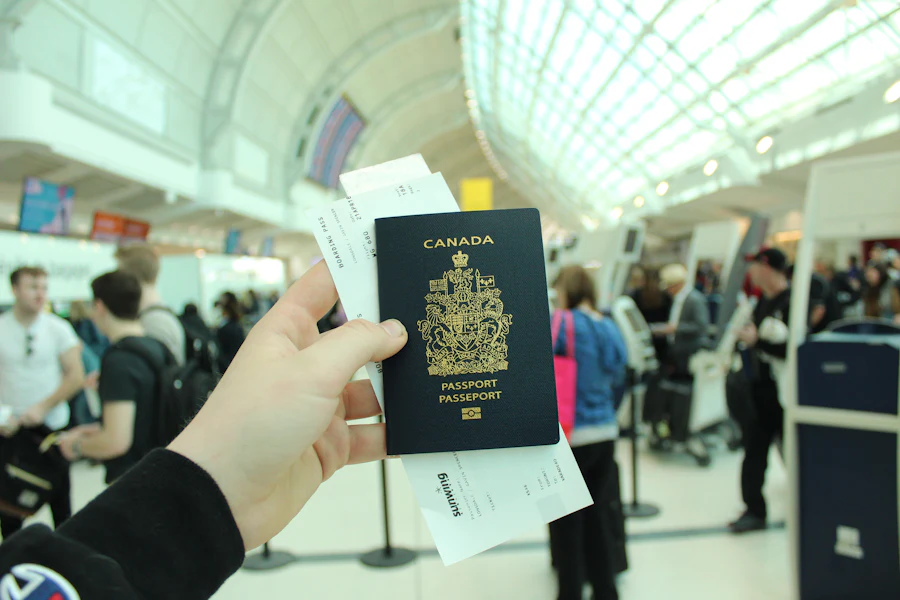
Canadian citizenship is the culmination of the immigration journey: the right to vote, a Canadian passport, protection against loss of status. The application looks simple, but IRCC checks every requirement rigorously, and an approximate count of your days of presence can be enough to sink it.
The requirements
- be a permanent resident, with no unmet conditions and no loss-of-status proceedings under way;
- have been physically present in Canada for at least 1,095 days in the five years before the date of the application;
- have filed income tax returns for at least three years in that period, if required by law;
- if aged 18 to 54, show adequate knowledge of English or French and pass the test on Canada's rights, responsibilities and history;
- not be subject to any prohibition, including one related to a charge, a sentence or a removal order.
Counting the 1,095 days
Physical presence is counted in days actually spent in Canada. Each day in Canada as a permanent resident counts as one day. Each day spent in Canada as a temporary resident or protected person before permanent residence counts as a half day, up to a maximum credit of 365 days. Periods of imprisonment, probation or parole do not count.
Use IRCC's official calculator and compare it with your records: passport stamps, airline tickets, entry and exit records from the Canada Border Services Agency. Allowing a margin of a few weeks beyond 1,095 days protects you against a date error. An unexplained gap between the application and official records often leads to a request for additional information and months of delay.
Language and the test
Applicants aged 18 to 54 must show Canadian Language Benchmark 4 in listening and speaking, through an approved test, a diploma from studies in English or French, or certain language programs. They must also pass a knowledge test, usually online, based on the official study guide. Failing is not final: a retake and, if needed, an interview with an officer are provided for.
Fees and timelines
As of November 2026, according to IRCC's fee list, fees are $653 for an adult, including the right of citizenship fee, and $100 for a minor child. Processing times vary with application volumes and the complexity of the file; check the current processing times. If processing goes well beyond published times without explanation, an application for mandamus may, in some cases, be considered.
Mistakes to avoid
- leaving out a trip, even a short one, or rounding dates;
- applying before you have actually reached 1,095 days on the day of filing;
- forgetting a pending criminal charge or a recent conviction, in Canada or abroad;
- travelling for long periods during processing without planning for the test or ceremony notice;
- letting your permanent resident card expire thinking it is required for the application: it is not, but your status must remain valid.
Were you born abroad to a Canadian parent? You may already be a citizen: read our article on citizenship by descent and Bill C-3. Canada allows dual citizenship, but check the rules of your other country.
Official sources
Take the next step
Your situation deserves precise advice
Every file is different. In a consultation, the lawyer analyzes your situation, explains your options and their risks, then proposes next steps.
Disclaimer. This article provides general legal information, current as of the date shown at the top of the page. It does not constitute legal advice and does not replace a consultation tailored to your situation. Immigration rules change often: some information may no longer be up to date when you read it. Always check the official sources before acting.